Starting a fitness journey as a beginner can feel confusing, overwhelming, and intimidating. One day you’re told to work out every day, the next day you’re warned about overtraining. Some sources push extreme diets, while others promise instant results.
At HealthNestify, we believe fitness should be simple, realistic, and sustainable — especially for beginners.
This beginner fitness guide is designed to help you start safely, confidently, and consistently at home, without gym pressure, complicated routines, or extreme approaches. Whether you’re starting for the first time or returning after a long break, this page will help you find a clear path forward.
Is This Beginner Fitness Guide Right for You?
This guide is for you if:
- You’re new to exercise or restarting after a long gap
- You prefer home workouts over gyms
- You want simple routines that fit real life
- You feel confused by conflicting fitness advice
- You want progress without burnout or injury
You don’t need to be fit, flexible, or motivated every day. You just need a starting point — and that’s exactly what this guide provides.
According to health experts, regular physical activity supports overall health and well-being at every age
Beginner Home Workouts (No Equipment Needed)
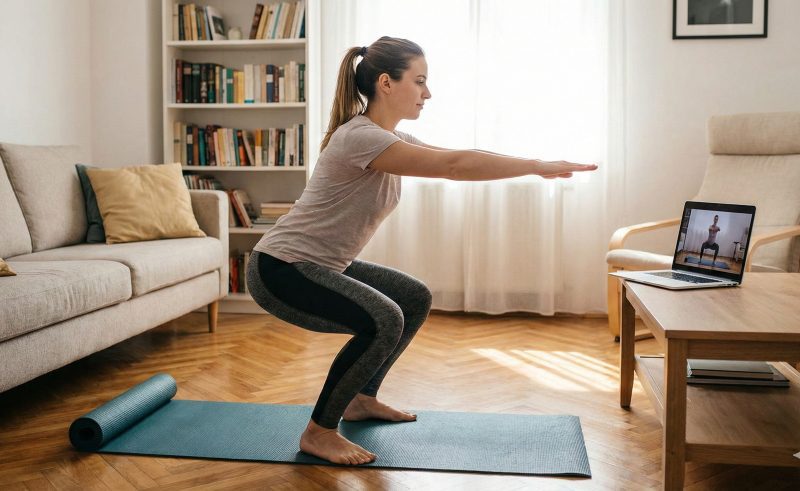
One of the biggest myths in fitness is that you need long workouts or expensive equipment to get results. As a beginner, short and simple workouts are often more effective because they help you build consistency.
Even 10 minutes of daily movement can improve strength, energy, and confidence when done regularly.
Start with these beginner-friendly home workout guides:
- 10-Minute Home Workout for Absolute Beginners (No Equipment)
A simple routine designed for complete beginners who want to start moving without feeling overwhelmed. - Home Workout for Beginners (No Equipment Full Body Plan)
A balanced full-body workout that helps you build strength safely at home. - Home Workout Routine for Beginners (3 Days a Week Plan)
A structured weekly plan for beginners who want a clear schedule without overtraining.
These workouts focus on basic movements, proper pacing, and realistic expectations — not intensity or exhaustion.
How Often Should Beginners Work Out at Home?
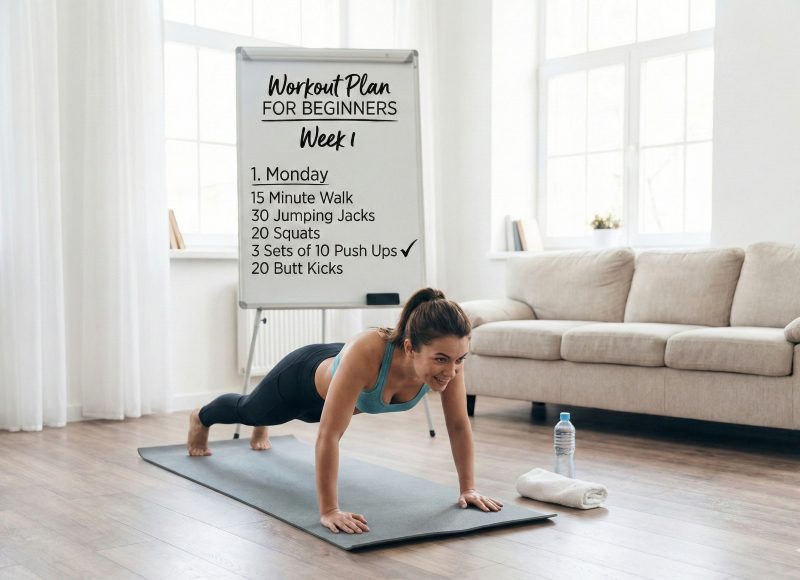
A common beginner mistake is doing too much too soon. While motivation is great, overtraining can lead to soreness, fatigue, and eventually quitting.
Most beginners make better progress with 3–5 workout days per week, combined with rest and recovery days.
To understand how often you should exercise based on your fitness level and schedule, read:
- How Often Should Beginners Work Out at Home? (A Simple Weekly Guide)
This guide explains how to balance workouts, rest days, and flexibility — so fitness becomes a habit, not a burden.
Beginner Workout Mistakes (And How to Avoid Them)
Many people quit fitness not because they lack discipline, but because they unknowingly make mistakes that cause frustration or injury.
Some common beginner mistakes include:
- Skipping warm-ups and stretching
- Comparing yourself to advanced workouts
- Ignoring rest days
- Expecting fast results
- Starting with workouts that are too intense
Understanding these mistakes early can save you time, energy, and motivation.
Learn how to avoid them here:
- Beginner Workout Mistakes to Avoid (And What to Do Instead)
This guide helps you stay consistent by focusing on progress, not perfection.
Stretching and Recovery for Beginners
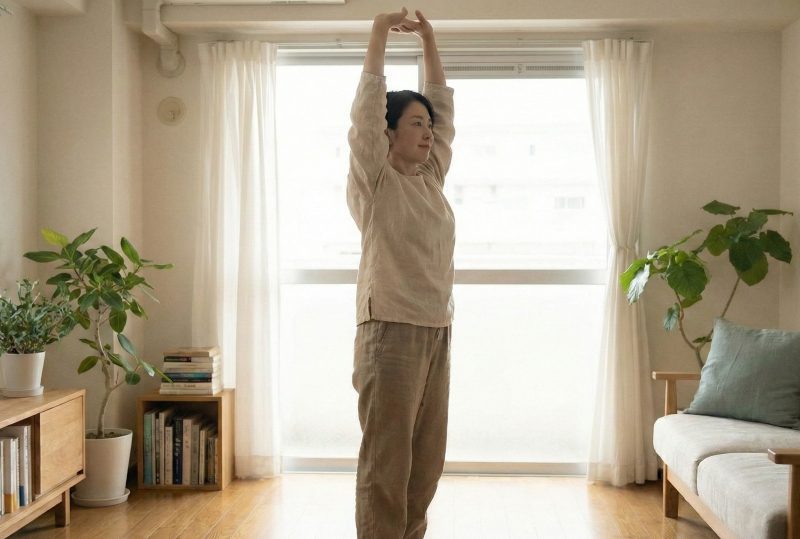
Stretching is often overlooked, especially by beginners who think it’s optional. In reality, stretching plays a crucial role in:
- Reducing muscle stiffness
- Improving flexibility and mobility
- Supporting recovery between workouts
- Preventing injuries
If you’re sitting a lot, working from home, or just starting to move more, stretching becomes even more important.
Start with this simple routine:
- Full Body Stretching Routine for Beginners (Safe & Simple at Home)
This guide walks you through gentle stretches you can do without equipment, making recovery easier and workouts more enjoyable.
Simple Nutrition Tips for Beginners (No Extremes)
Fitness isn’t only about workouts — nutrition plays a supporting role. However, beginners don’t need strict diets, calorie tracking, or food restrictions to see progress.
Small, sustainable nutrition habits often work best, such as:
- Eating regular meals
- Including protein, fruits, and vegetables
- Drinking enough water
- Avoiding extreme dieting
If you want beginner-friendly nutrition advice without pressure, start here:
- Simple Nutrition Tips for Beginners (No Dieting, No Extremes)
This guide focuses on practical choices, not perfection.
Building Healthy Fitness Habits That Last
The most important part of beginner fitness isn’t the workout — it’s the habit.
Successful beginners focus on:
- Starting small
- Being consistent rather than intense
- Allowing flexibility in their routine
- Celebrating progress, not comparing results
Fitness should support your life, not control it. Missed a workout? That’s okay. Feeling low on energy? Adjust instead of quitting.
When fitness feels manageable, it becomes sustainable.
Where to Start If You Feel Overwhelmed
If everything still feels confusing, here’s a simple way to begin:
- Choose one workout guide
- Start with 10–20 minutes
- Stay consistent for 2–3 weeks
- Add more only when you feel ready
There’s no rush. Your fitness journey is personal.
Ready to Start Your Beginner Fitness Journey?
You don’t need motivation, perfect routines, or extreme discipline to begin. You just need one small step.
Start today with one of these:
- Try a 10-minute beginner workout
- Follow a simple weekly workout plan
- Add stretching to your daily routine
Fitness doesn’t have to be complicated. It just needs to be consistent, kind, and realistic.
Welcome to your beginner fitness journey — we’re glad you’re here.