
Starting a healthy lifestyle often feels confusing, especially when searching for simple nutrition tips for beginners online.
One day carbs are bad, the next day fats are the problem, and suddenly beginners feel like they need strict diets just to be healthy.
The truth is much simpler.
You don’t need extreme dieting, strict rules, or perfect eating habits to improve your health. Simple nutrition habits, practiced consistently, are far more effective for beginners than any short-term diet plan.
This guide will walk you through simple nutrition tips for beginners that support energy, workouts, and overall well-being—alongside a balanced approach to simple fitness and healthy living.
Why Beginners Don’t Need Dieting to Be Healthy
Dieting often promises fast results, but for beginners it usually causes frustration, stress, and burnout. Strict diets are difficult to maintain, especially when you’re still learning how to balance food, workouts, and daily life.
According to health experts, balanced nutrition supports overall well-being and long-term health.
For most beginners:
- Diets feel overwhelming
- Restrictive rules create guilt
- Motivation drops quickly
- Consistency becomes impossible
Health is not built through short bursts of extreme effort. It’s built through habits you can maintain for months and years, not days.
That’s why beginners benefit far more from simple nutrition habits than from dieting.
If you’re new to exercise and unsure where to begin, this beginner fitness guide will help you start safely and confidently.
Focus on Simple Nutrition Habits First
Instead of asking “What diet should I follow?”, a better question is:
“What small nutrition habits can I practice every day?”
Simple habits:
- Reduce stress around food
- Improve energy naturally
- Support workouts and recovery
- Are easier to stay consistent with
Once these habits are in place, healthy eating becomes natural—not forced.
Simple Nutrition Tips for Beginners
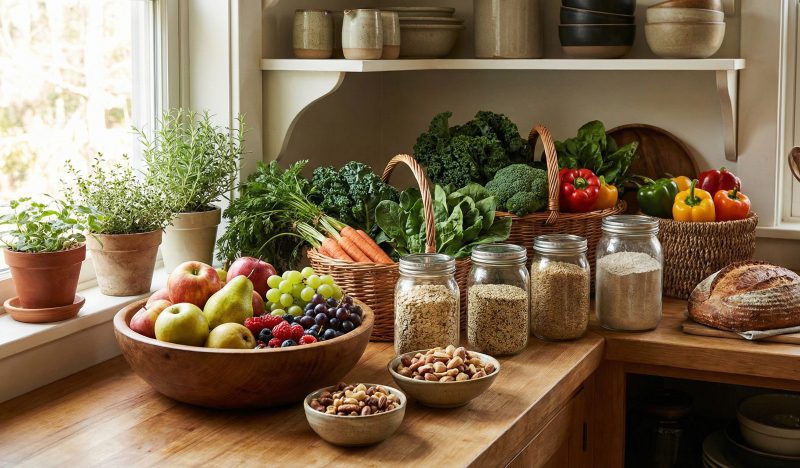
Below are practical, beginner-friendly nutrition tips that focus on balance, consistency, and real life.
These simple nutrition tips for beginners focus on consistency instead of restriction
Eat Regular Meals
Skipping meals often leads to low energy and overeating later in the day. Try to eat regular meals to keep your energy stable and reduce cravings.
You don’t need perfect meal timing—just avoid long gaps without food.
Add Protein to Each Meal
Protein helps with:
- Muscle recovery
- Feeling full longer
- Supporting workouts
Beginner-friendly protein sources include:
- Eggs
- Dairy products
- Lentils and beans
- Tofu
- Chicken or fish
You don’t need supplements to start.
Include Fruits and Vegetables Daily
Fruits and vegetables provide:
- Vitamins and minerals
- Fiber for digestion
- Natural variety in meals
Aim to include at least one fruit or vegetable with most meals. This habit alone can significantly improve nutrition quality.
Drink Enough Water
Many beginners confuse thirst with hunger. Staying hydrated helps:
- Improve digestion
- Maintain energy levels
- Support overall health
A simple rule: drink water regularly throughout the day, especially around workouts.
Choose Whole Foods Most of the Time
Whole foods are foods that are closer to their natural form, such as:
- Rice, oats, potatoes
- Fruits and vegetables
- Eggs, legumes, nuts
You don’t need to eliminate packaged foods completely—just aim to base most meals around whole foods.
Avoid Labeling Foods as “Good” or “Bad”
Labeling foods creates guilt and stress, which often leads to unhealthy eating patterns.
Instead:
- Focus on balance
- Enjoy treats mindfully
- Avoid extreme restrictions
Healthy eating is not about perfection—it’s about overall patterns.
Eat Slowly and Mindfully
Eating too fast makes it harder to recognize fullness.
Simple habits:
- Chew properly
- Eat without distractions when possible
- Pause halfway through meals
Mindful eating helps you naturally regulate portions without counting calories.
Keep Nutrition Flexible, Not Perfect
Life happens—social events, busy days, cravings.
Instead of “starting over,” simply return to your basic habits at the next meal. Flexibility is what makes nutrition sustainable long-term.
What a Beginner-Friendly Day of Eating Looks Like
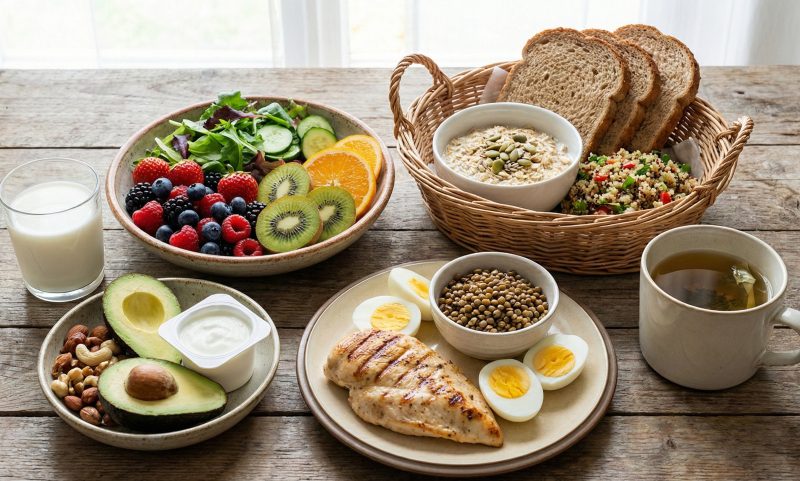
This is not a meal plan, just an example of how simple nutrition might look in daily life.
- Breakfast: Eggs with toast and fruit
- Lunch: Rice or bread with vegetables and a protein source
- Dinner: Home-cooked meal with balanced portions
- Snacks (optional): Fruit, yogurt, nuts
The goal is regular, balanced meals, not strict control.
Common Nutrition Mistakes Beginners Make
Being aware of these mistakes can help you avoid frustration:
- Skipping meals to “eat less”
- Cutting entire food groups
- Following multiple diets at once
- Expecting quick physical changes
- Comparing eating habits to others
Progress comes from consistency, not extremes.
How Nutrition Supports Your Home Workouts
Simple nutrition plays an important role in supporting your fitness routine by:
- Providing energy for workouts
- Supporting muscle recovery
- Helping maintain motivation
If you’re following a home workout routine for beginners, balanced nutrition helps you feel stronger, recover better, and stay consistent without exhaustion.
Pairing balanced nutrition with a structured home workout routine for beginners helps improve energy, recovery, and long-term consistency.
Frequently Asked Questions
What is the best nutrition advice for beginners?
Focus on balanced meals, hydration, and consistency instead of strict dieting.
Do beginners need supplements?
No. Most beginners can improve nutrition through whole foods first.
How much water should beginners drink?
Most adults benefit from regular hydration throughout the day.
Final Thoughts
Healthy eating for beginners does not require dieting, restriction, or complicated rules. By focusing on simple nutrition habits, you create a strong foundation that supports both physical activity and long-term well-being.
Remember:
- Simple habits work
- Consistency matters more than perfection
- Nutrition should support your life—not control it
By following these simple nutrition tips for beginners, healthy eating becomes easier and more sustainable.
If you’re building a healthier lifestyle step by step, you’re already doing it right. For a balanced approach to movement and nutrition, explore more about simple fitness and healthy living and continue at your own pace.